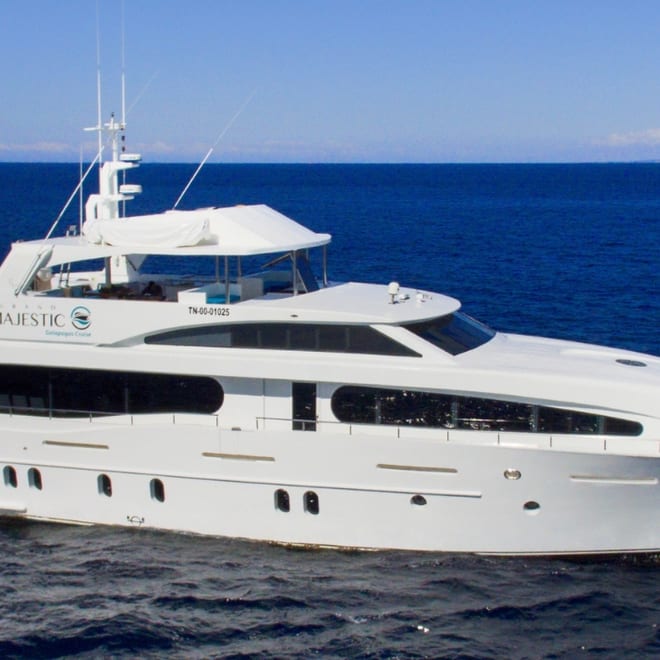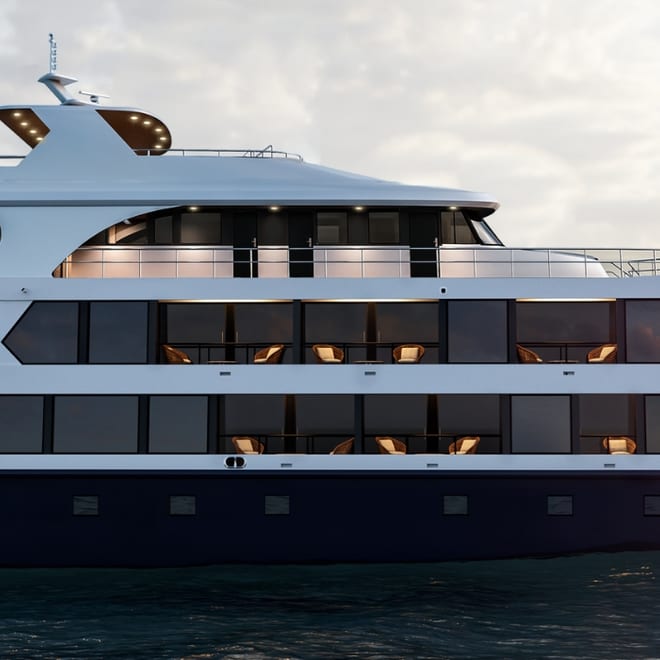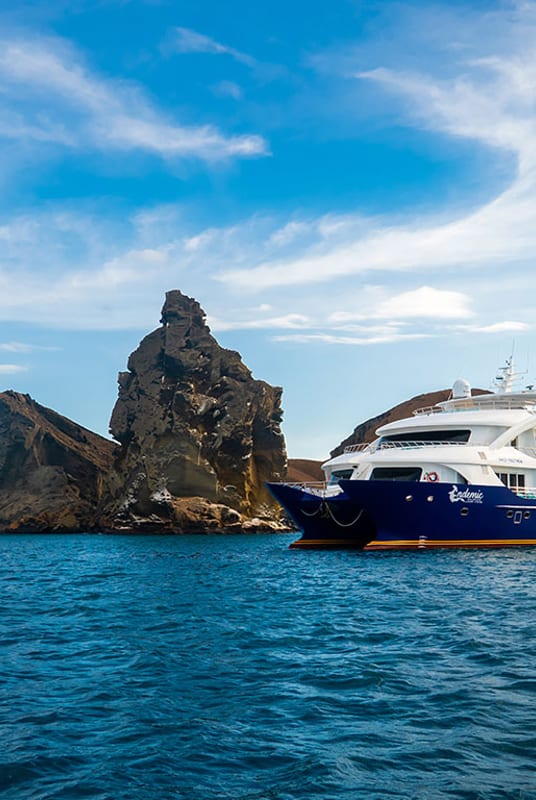
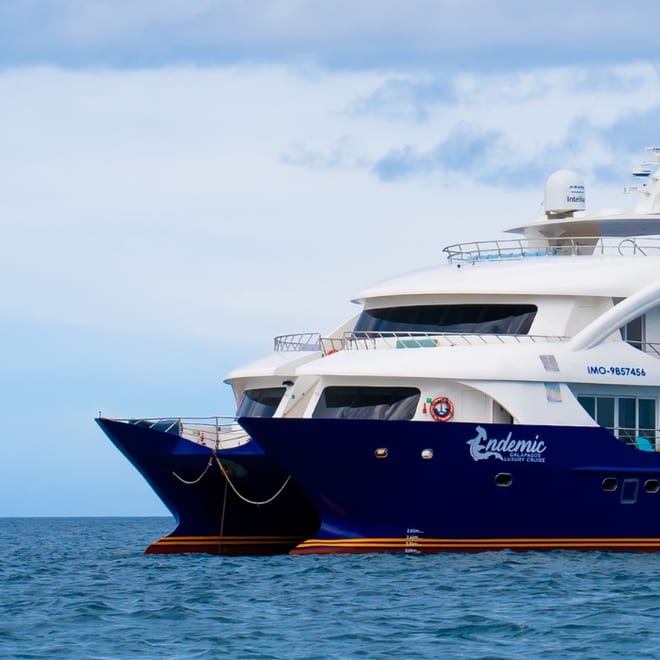
Twin Craters Northern Explorer
- Luxury
Sierra Negra, penguins and Genovesa on a week in luxury
- Next departure
- 6 Apr 2027
- Duration
- 6 Days
- Ship
- Endemic
- Capacity
- 16 guests
From $7,850£5,941
View Details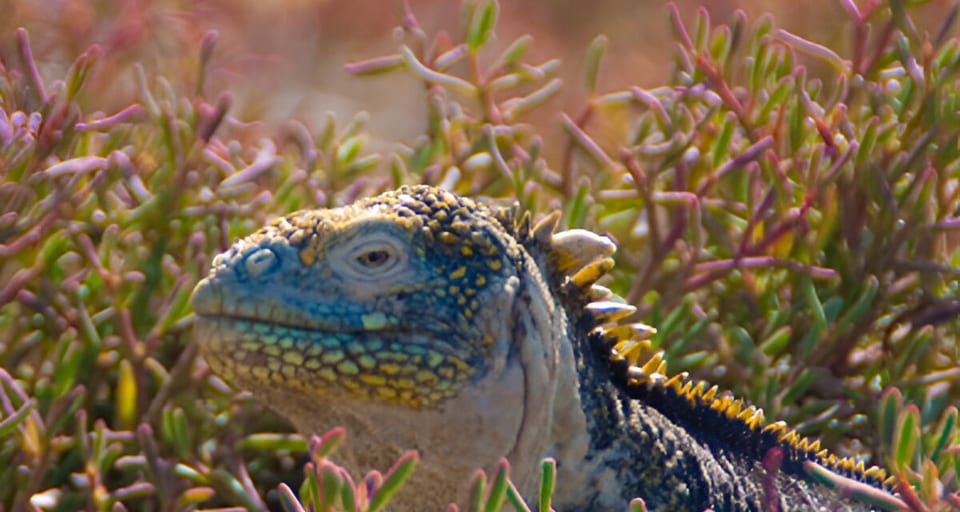
Discover the diverse wildlife of the Galapagos Islands and how to see them, from giant tortoises and marine iguanas to blue-footed boobies and sea lions.
The Galápagos Islands are one of the most unique and diverse ecosystems you will find on the planet and many of the species found here are endemic, meaning they are found nowhere else in the world.
Unlike in most destinations, many animals such as the sea lions are unafraid of humans, offering up some truly unprecedented encounters. As well as land animals, the Galápagos Islands offer superb whale-watching, including humpbacks, Bryde’s whales and orcas.
Whether you’re looking for newly-hatched turtles or playful sea lion pups, Tropic’s experts will help you find the best time for your trip.
Small ships and yachts to the remote islands only reachable by sea.
Boutique hotels and eco-lodges offering immersive island experiences.
Our top pick cruises so you can see more of the archipelagos unique wildlife.
Sierra Negra, penguins and Genovesa on a week in luxury
From $7,850£5,941
View DetailsTortoise hatchlings to flightless cormorants in one week
From $7,245£5,483
View DetailsGenovesa's birds and the cormorants of the far west
From $15,795£11,954
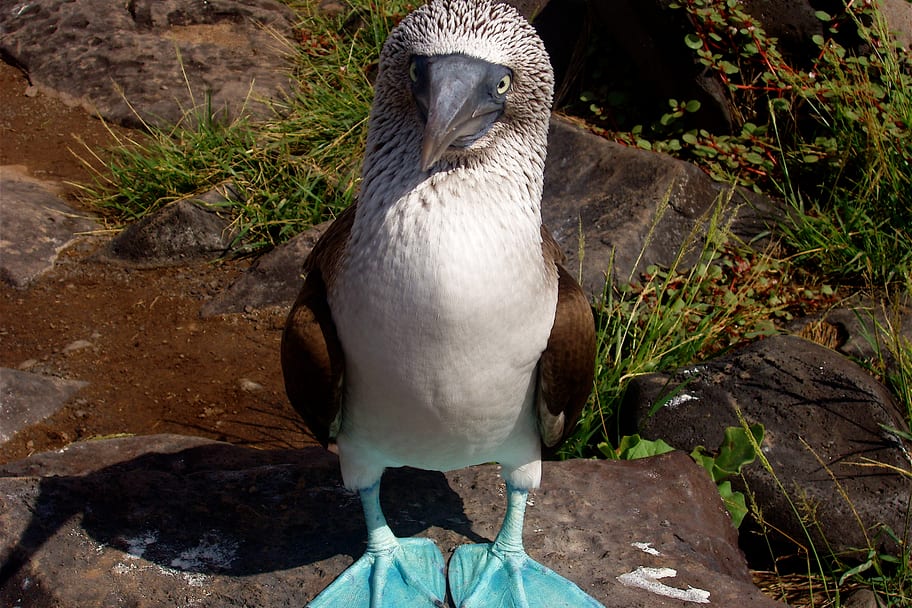
View DetailsThe aptly named blue-footed booby is easily recognizable by its unusual bright blue feet. They can be spotted across many of the Galápagos Islands and are often diving underwater for a fresh catch of sardines, mackerel and other small fish. The best time to see the boobies is between June and August when they are breeding.
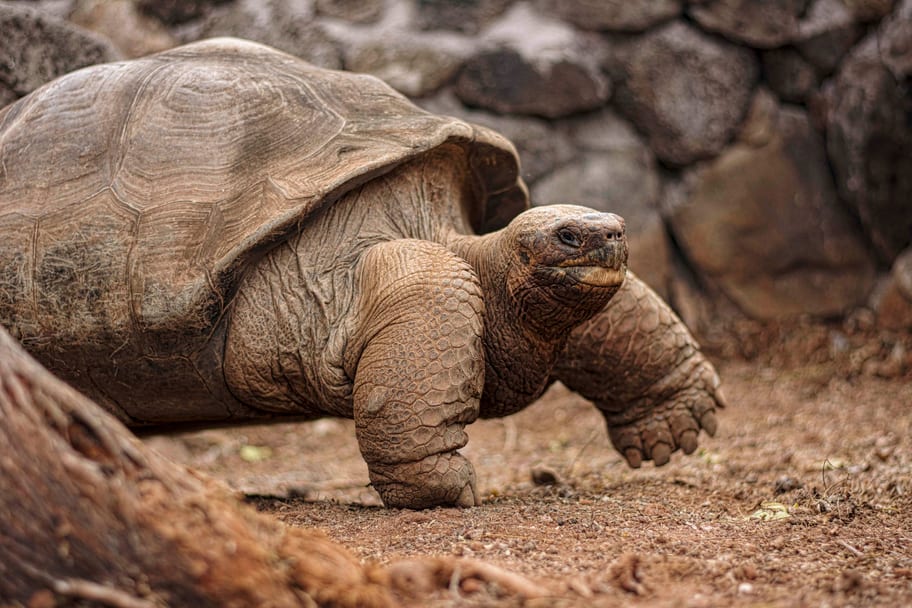
The giant tortoise is one of the archipelago's most famous animals, with the cluster of islands being named after the Spanish word for them 'galápago'. They spend on average 16 hours a day resting and the rest grazing on grass, fruit and cacti. They can be seen on Santa Cruz and Isabela islands and are most active in the daytime.
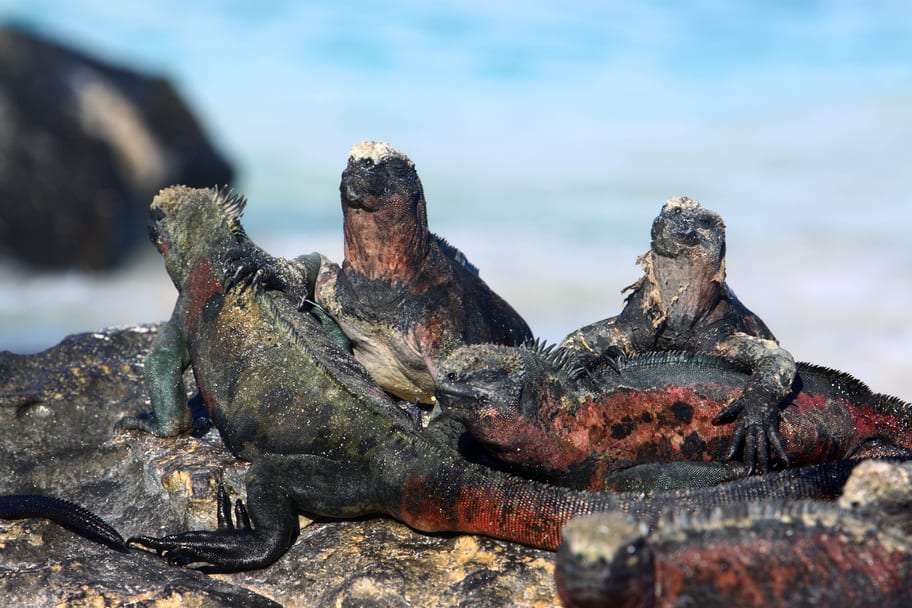
Marine iguanas are the only lizards that rely on the the ocean, their diet consisting mostly of algae that they forage from the seabed. They are completely unique to the Galápagos Islands and cannot be found anywhere else on Earth. Mating season is in January, where you can witness their incredible ability of changing color.
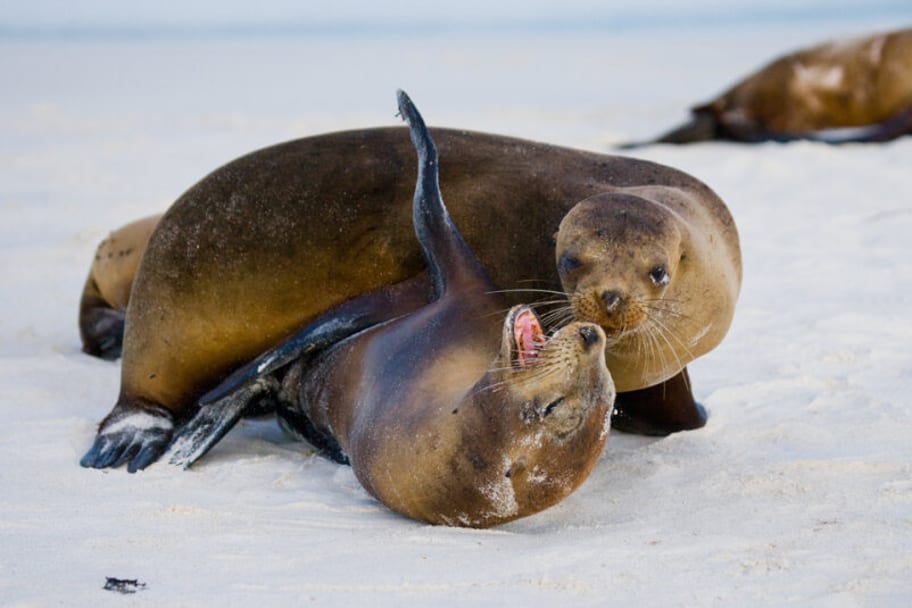
The Galápagos sea lion is found predominantly on this cluster of islands but are not considered seals as they are able to rotate their hind flipper. Their smooth and streamlined body shape makes them efficient hunters, diving to depths of almost 600 meters. From August through to December, curious sea lion pups can be seen across many of the islands.
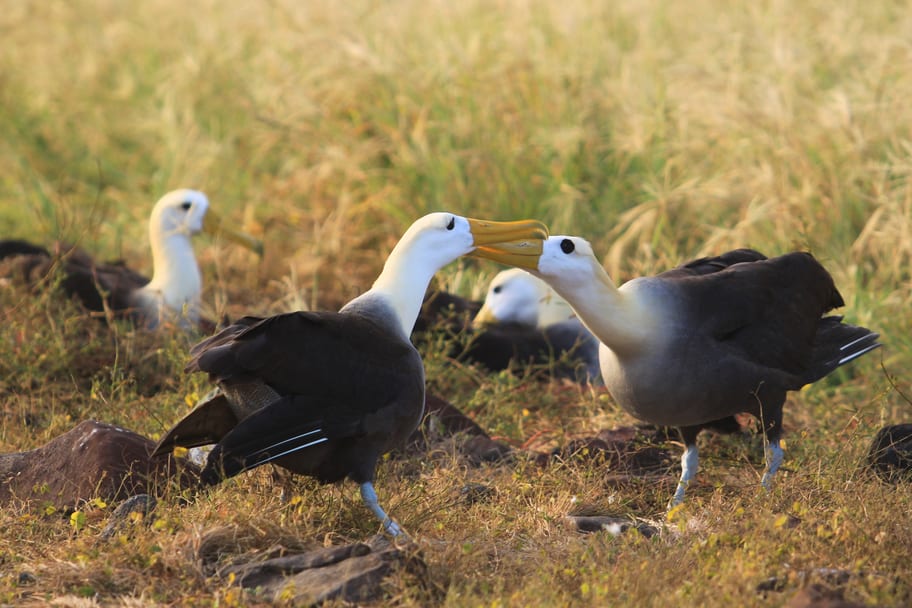
The waved albatross is the largest bird in the Galápagos Islands, its wingspan up to two and a half meters. They are exceptional gliders, spending most of their time over the open ocean. Couples mate for life. In March, they migrate to the archipelago's Española island and remain there for the rest of the year to breed.
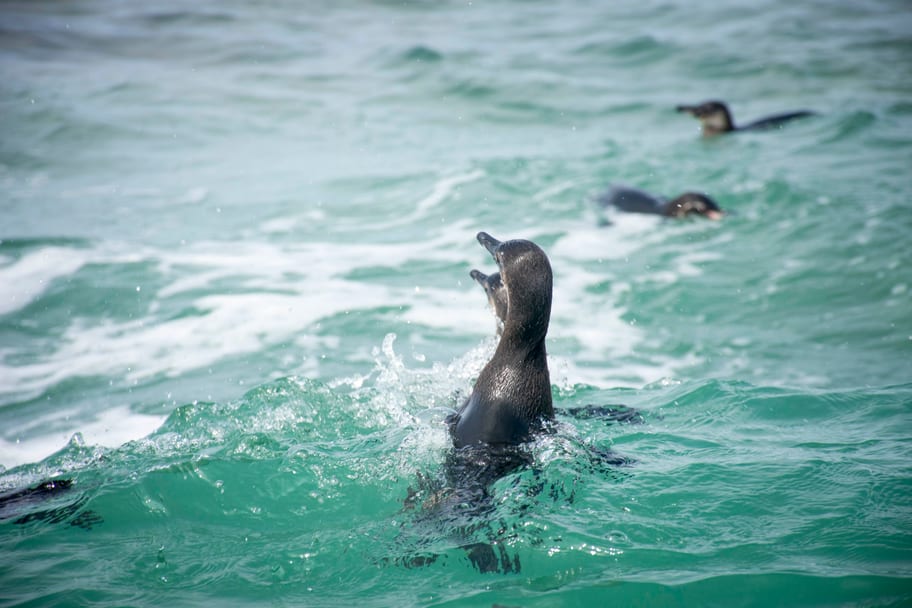
These birds are endemic to the Galápagos Islands and are the rarest penguin in the world. With fewer feathers and less body fat, they are the only penguins adapted to the tropical climate. They mate for life like all penguins, but unusually they don't have a clear breeding season. They can be seen across the islands, including on Ferdinanda and Isabela.