

Dragon Hill Western Explorer
- Dragon Hill
- Fernandina
- Genovesa
- Kicker Rock
- Urbina Bay
- Flightless cormorants
From $11,500£8,704 per person
- Ship
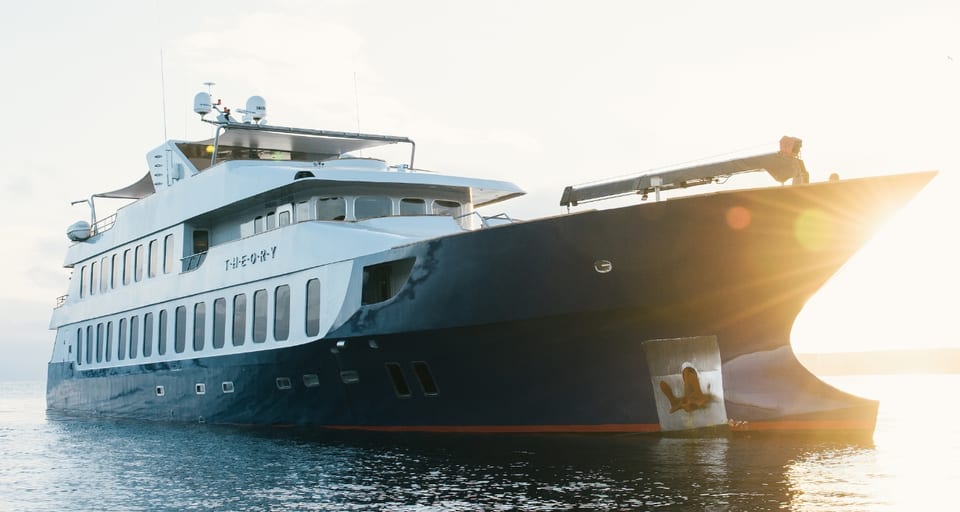
- Origin, Theory & Evolve
- Next departure
- 6 Dec – 13 Dec 2026
- Duration:
- 8 Days
- Comfort level:
- Comfort
- Total guests:
- 20
Add-ons
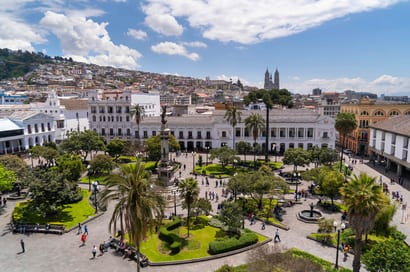
Pre-cruise: Quito Express + $677£512
Post-cruise: Machu Picchu Highlights + $1,272£963
Total from
$11,500£8,704 per person (estimated)
From
$11,500£8,704
per person
Show the trip's details
- Ship
- Origin, Theory & Evolve
- Next departure
- 6 Dec – 13 Dec 2026
- Duration:
- 8 Days
- Comfort level:
- Comfort
- Total guests:
- 20
Add-ons
Pre-cruise: Quito Express + $677£512
Post-cruise: Machu Picchu Highlights + $1,272£963
Total from
$11,500£8,704 per person (estimated)
Your journey
For travellers who want the north and the west in one week.
You circle Kicker Rock, then climb Prince Philip's Steps and snorkel Darwin Bay on Genovesa. Santa Cruz brings Las Bachas and the land iguanas of Dragon Hill. Out west you cruise Vicente Roca Point by Zodiac, walk Urbina Bay, meet flightless cormorants on Fernandina and read pirate graffiti at Tagus Cove. Eight days on Origin, Theory or Evolve, three comfort sister yachts.
Mainland Ecuador
-
1 Day 1: San Cristobal Island
Upon arrival at San Cristobal, you'll board the yacht, get settled, and have lunch. Later, you'll circumnavigate Kicker Rock, observing birdlife. Letty guests visit La Galapaguera.
San Cristóbal, Kicker Rock
-
2 Day 2: Genovesa Island
In the morning, you'll land at Prince Philip’s Steps, Genovesa Island, observing diverse bird species, including red-footed and Nazca boobies, and potentially short-eared owls. In the afternoon, you'll land at Darwin Bay, observing swallow-tailed and lava gulls, frigate birds, and have the option to relax on the beach or swim with sea lions.
Genovesa
-
3 Day 3: Santa Cruz Island
In the morning, you'll visit Las Bachas on Santa Cruz, observing flamingos and endemic plants, and snorkeling. In the afternoon, you'll hike Dragon Hill, enjoying panoramic views and observing diverse wildlife, including land iguanas and various bird species
Santa Cruz
-
4 Day 4: Isabela Island
In the morning, you'll enjoy a Zodiac ride at Punta Vicente Roca, exploring caves and snorkeling with penguins and sea turtles. In the afternoon, you'll disembark at Urbina Bay on Isabela, observing uplifted seabed and diverse wildlife.
Isabela
-
5 Day 5: Fernandina & Isabela Islands
In the morning, you'll visit Punta Espinoza on Fernandina, observing pristine ecosystems, sea lions, marine iguanas, and flightless cormorants, with snorkeling opportunities. In the afternoon, you'll explore Tagus Cove on Isabela, observing historic graffiti and hiking to a scenic overview, with optional kayaking or paddleboarding.
Isabela, Fernandina
-
6 Day 6: Santiago & Santa Cruz Islands
In the morning, explore Rabida's red beach, observing flamingos and diverse wildlife, with optional snorkeling. Theory and Letty guests visit Santiago's Puerto Egas, observing tide pool life and marine iguanas. In the afternoon, Origin guests explore Caleta Tortuga Negra by Zodiac. All guests enjoy the Captain's farewell cocktail, dinner, and a guide presentation. The evening concludes with a farewell dinner and crew presentation.
Santa Cruz, Santiago, Rabida
-
7 Day 7: Santa Cruz Island
In the morning, disembark at Puerto Ayora, Santa Cruz, and visit the Charles Darwin Research Station, learning about conservation efforts and observing tortoises. In the afternoon, explore the Santa Cruz highlands, visiting lava tunnels, Los Gemelos craters, and Rancho Primicias to observe giant tortoises.
Santa Cruz
-
8 Day 8: San Cristobal Island
In the morning, after breakfast, you'll disembark and visit the San Cristobal Interpretation Center. Later on, you'll transfer to the airport for your flight to the mainland.
San Cristóbal
What's included...
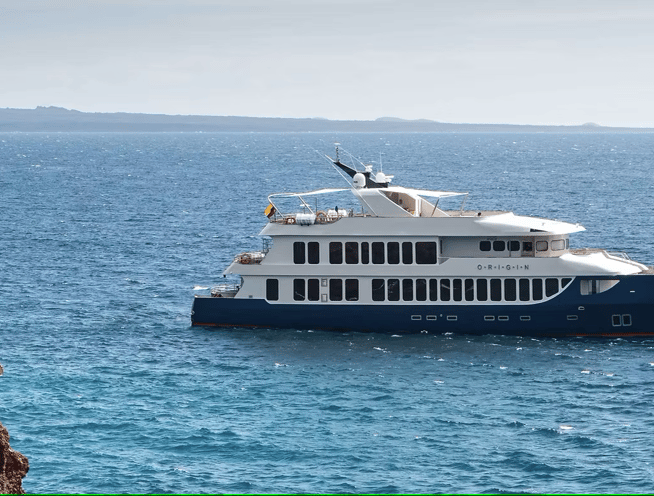
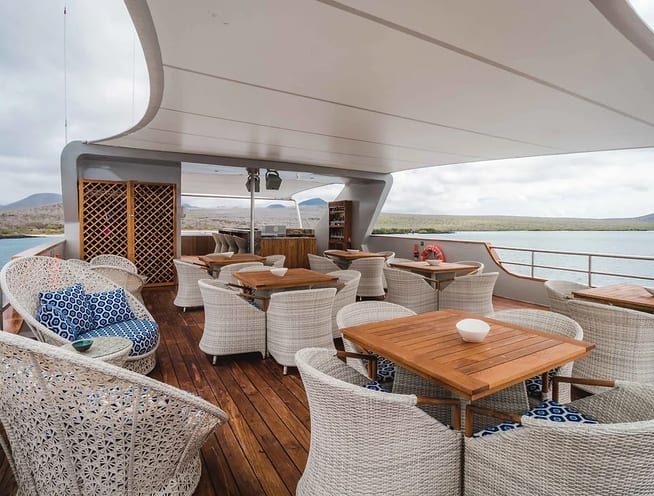
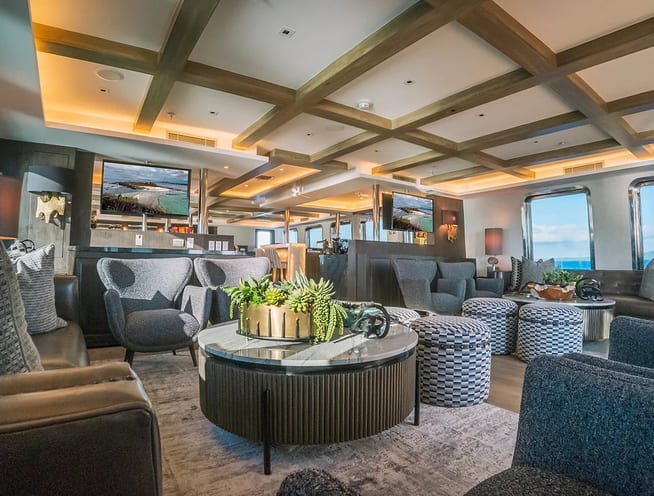
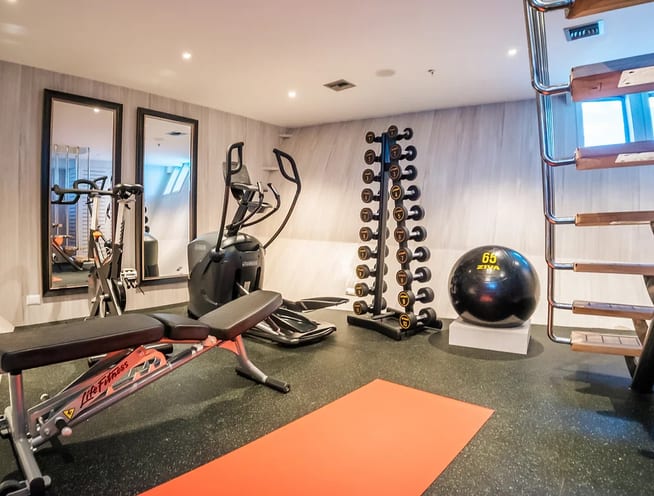
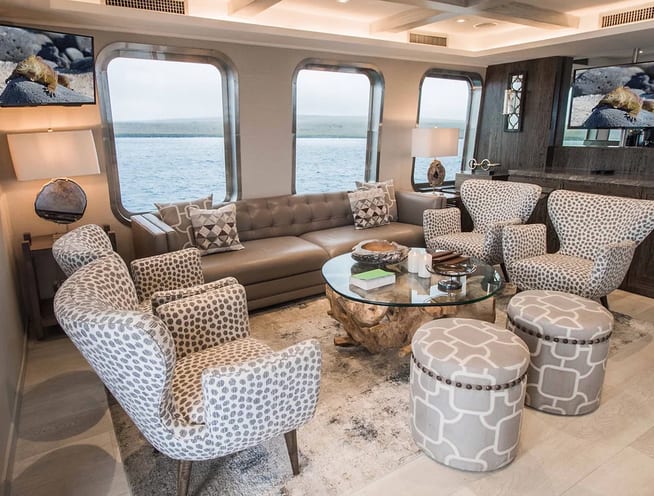
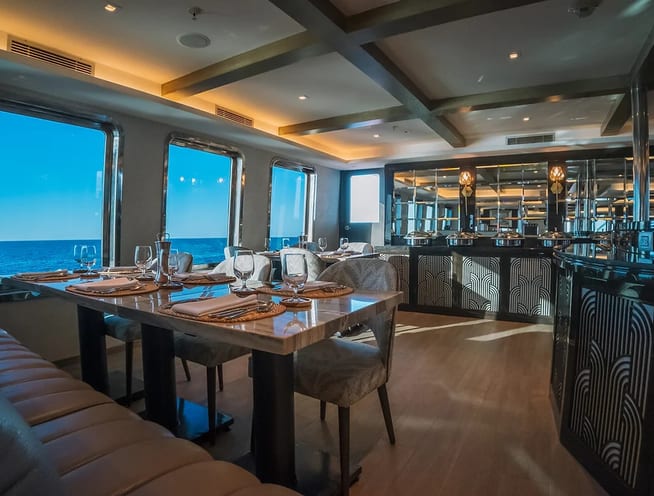
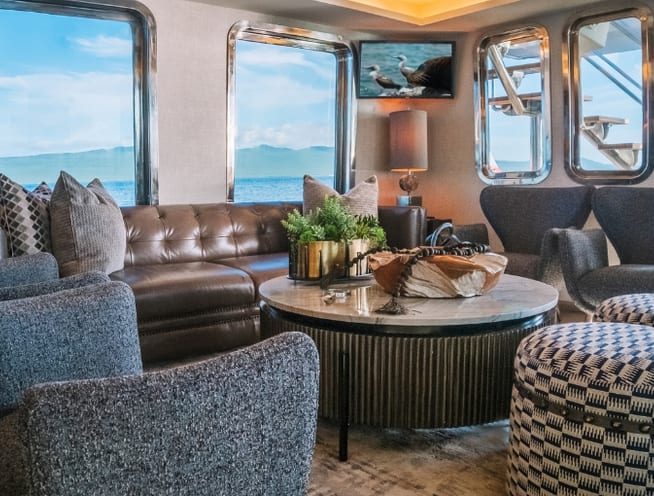
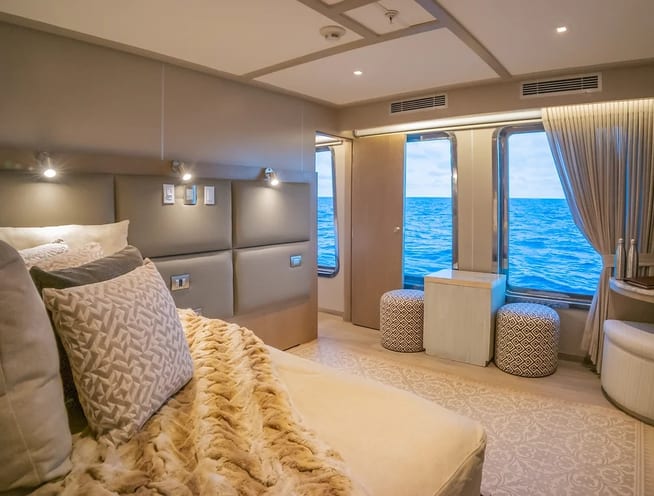
- Seven nights aboard the comfort Origin, Theory & Evolve Yacht with all meals onboard included and prepared by onboard chefs.
- Open bar policy including wine, beer, spirits, juice, sodas, coffee, and tea
- Satellite communications – high-speed Wi-Fi is available 24/7 for all guests
- Guided shore excursions twice daily, evening briefings and enrichment lectures
- Two Zodiacs and a glass-bottom boat for exploration of the shoreline
- Multiple Kayaks (five doubles and a single) and two stand up paddle boards
- Wet suits (full 3mm) and snorkeling equipment (mask, fins and snorkel)
- Transfers in the Islands between the airport with meet & greet for AV1630 arrivals only
- Personalized check-in at the airports in Quito and Guayaquil for AV1630 arrivals only
Not included...
- Galapagos National Park entrance fee ($200 per adult, $100 per child (12 and under)
- Transit Control Card (TCT) – $20 per person
- Alcoholic beverages and soft drinks (available for purchase onboard)
- Personal expenses, tips, and travel insurance
- Flight ticket round trip to Galapagos
- Hotel accommodation in Ecuador
- Airfare from Quito or Guayaquil to Galapagos
- Laundry service - available Monday to Friday and limited to five items per cabin per day
Origin, Theory & Evolve
Extend your trip
Adding extra nights on land gives you more time to relax, explore and enjoy your destination at your own pace. Arrive before your cruise to settle in, recover from your journey and start your holiday feeling refreshed. Or extend your trip after disembarkation to discover more of the local sights, culture and cuisine before heading home.
-
-
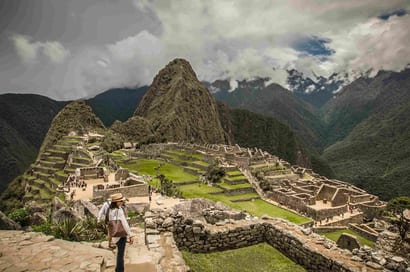
Post-cruise Machu Picchu Highlights

Frequently Asked Questions
-
When is the best time to visit the Galápagos?
The Galápagos is a year-round destination. December to May is the warm season, with sunny days, occasional tropical showers and calmer seas. June to November is cooler and drier, with cloudier skies, livelier seas and richer marine life. Christmas, New Year, Easter and July–August are the busiest times and sell out first, so we recommend booking 9–12 months ahead for those dates.
-
How long should my cruise be?
Cruises run from 4 to 15 days. Four or five days covers one region of the islands well. Seven or eight days lets you reach more remote islands and see a wider range of wildlife. For the ultimate Galápagos experience, cruises of up to 15 days complete a full loop of the archipelago, visiting its central, southern, western and northern islands. We recommend at least five days if you can!
-
How do I get to the Galápagos Islands?
Fly into Quito or Guayaquil on mainland Ecuador, then take a short domestic flight to Baltra or San Cristóbal, where your cruise begins. We recommend arriving in Ecuador at least a day before your cruise. We can book your domestic flights and time them to your ship’s departure.
-
Are there any entry fees?
Yes. Every visitor pays a Galápagos National Park fee of US$200 per adult (US$100 for children under 12, free for under-2s), plus a US$20 Transit Control Card. Normally the park fee is paid in cash on arrival and the card is bought at Quito or Guayaquil airport before your flight. To save you the hassle, we can pre-book both for you, so they’re ready when you travel.
-
What’s included in the price?
Cruise prices usually include your cabin, all meals and snacks on board, soft drinks and juices, and all listed excursions and activities. You’ll be accompanied by dedicated bilingual naturalist guides, certified by the Galápagos National Park. Snorkelling equipment is also provided.
-
Should I choose a cruise or a land-based trip?
A cruise lets you reach remote islands and visitor sites that can’t be visited on day trips, and you travel between islands while you sleep. A land-based trip suits travellers who prefer staying on dry land, want more flexibility or are travelling on a tighter budget. We can also combine the two.
-
Which itinerary is best for seeing specific wildlife?
Each itinerary visits different islands, and some species only live in certain areas. For example, waved albatrosses nest on Española, penguins and flightless cormorants are found in the west, and Genovesa is famous for red-footed boobies. Tell us what you most want to see and we’ll match you to the right route.
-
Is a Galápagos cruise suitable for children?
Yes, all our ships welcome families. Most ships have a minimum age of 7, but a few especially family-friendly ships have no minimum age at all. We can recommend the best options and cabins for your family.
-
Can you cater for dietary requirements?
Yes. Most ships can cater for vegetarian, vegan, gluten-free and other dietary needs, as well as allergies. Just let us know when you book and we’ll pass the details to the ship in advance.
-
Is there Wi-Fi on board?
Some luxury ships offer free Wi-Fi, while others charge extra for it. Connection is usually via satellite and can be limited, so expect to be largely offline while at sea. Most guests find it part of the magic.
-
Can I combine my cruise with mainland Ecuador or Peru?
Absolutely. Many guests add a few nights in the Andes, the Amazon rainforest or Quito’s historic centre, or extend to Machu Picchu in Peru. We’ll build your whole trip around your cruise dates.
-
I’m travelling solo - can I join a cruise?
Absolutely. Many travellers cruise the Galápagos on their own. Some ships offer shared cabins with another guest of the same gender, some have single cabins with no supplement, and others charge a single supplement for a private cabin. We’ll find the best option for you.
-
Can I go scuba diving on a cruise?
Most cruises focus on snorkelling rather than diving. Some ships offer diving as an optional extra, and there are also dedicated liveaboard dive cruises for certified divers. Let us know if diving is a priority and we’ll recommend the right ship.
-
How much luggage can I bring?
Domestic flights to the Galápagos usually allow one checked bag of up to 23 kg and one carry-on. Soft-sided bags are easier to store on board. All luggage is checked at the airport to stop non-native plants, seeds and animals reaching the islands.
-
Will I get seasick?
Some crossings can be choppy, especially from June to November. Catamarans and larger ships tend to be the most stable. Bring seasickness tablets or patches just in case, and let us know if you’re worried. We can suggest itineraries with shorter crossings.
-
What should I pack?
Pack light, breathable clothing, plus a warm layer and a waterproof jacket. You’ll also want a hat, sunglasses, reef-safe sun cream, swimwear, comfortable walking shoes and sandals for wet landings. Don’t forget binoculars and a camera.
-
What currency is used, and should I bring cash?
Ecuador uses the US dollar. Bring cash for park fees, tips and small purchases, as ATMs are limited on the islands and some places don’t accept cards.
-
Do I need travel insurance?
Travel insurance isn’t mandatory, but we highly recommend it. Choose a policy that covers medical treatment, emergency evacuation and cancellation for your whole trip.